Garden Design
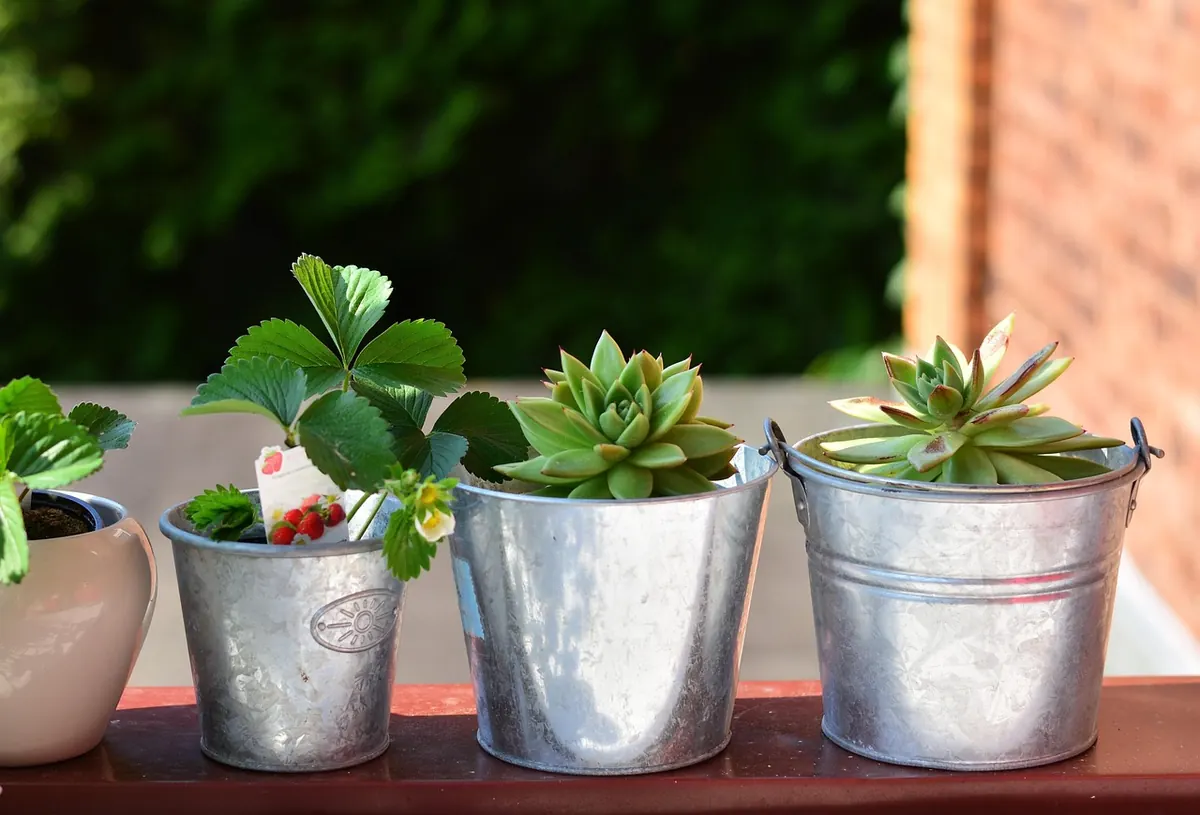
How to Build a Three-Season Container Garden for a Sunny Balcony
A sunny balcony gives you more than a shady one ever will, and it asks more in return. Heat ripens tomatoes and scorches petunias in the same afternoon. Compost dries three times faster than it would in a border, wind funnels along parapets, and pots that looked generous in the shop turn out to be thimbles by July.
None of that means a balcony has to peak in June and fade. With the right containers, a compost that holds water, and a planting plan that hands over from bulbs to annuals to grasses, a small bright space can carry colour from March to October. Here is how to build it, one decision at a time.
Read the Light Before You Buy a Pot
Six hours of direct sun is the usual threshold for flowers, fruit and herbs that want full sun, and most south- and west-facing balconies clear it comfortably. What matters more is where that sun lands. Watch your balcony for a full day in late spring: note which end is bright at nine, which is scorching at two, and which corner slips into shadow behind the wall by five. A spot that is dim in the morning can still suit mint or a hydrangea in a big pot.
Then look at the wind. A fourth-floor balcony or an exposed corner will shred tall, soft-stemmed plants and dry everything faster than the sun alone. Shelter counts as much as light. If you cannot change the exposure, plan for lower, sturdier plants and heavier pots.
Finally, mark where water can actually reach. Pots at arm's length from a tap or a door get watered; pots behind the bench do not. Put your thirstiest plants where you will walk past them with a can.
Buy Fewer Containers, and Buy Bigger
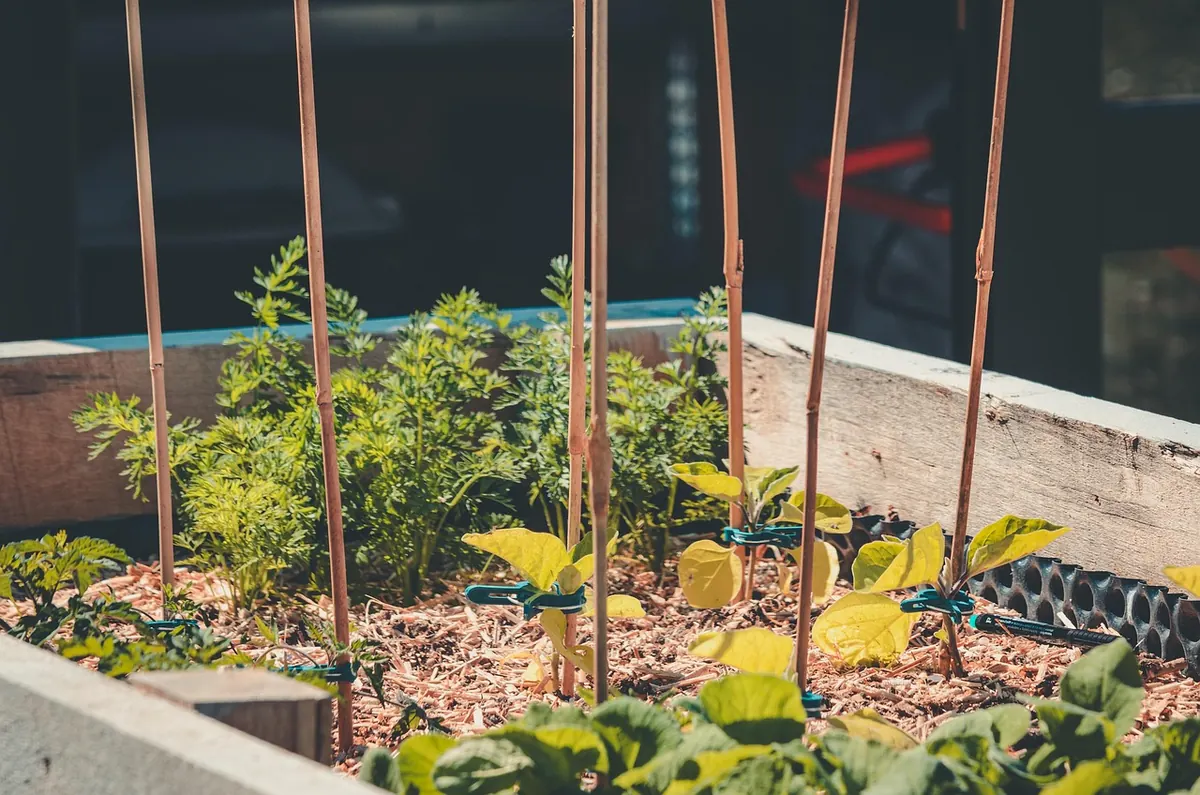
Most three-season balconies fail because of small pots, not bad plant choices. A container 40–50cm across and at least 35cm deep holds enough compost to ride out a hot afternoon; a 20cm pot is a baked root ball by lunchtime. Spend your budget on the largest pots your floor and your lifting strength allow, rather than on more plants.
Material changes everything under strong sun. Terracotta breathes and looks superb, but it dries from the inside out. That is ideal for lavender, rosemary and thyme, which resent wet roots, and less ideal for thirsty annuals. Glazed ceramic and good-quality plastic hold moisture far longer, and pale colours keep roots cooler than dark ones. Wooden planters insulate well; fabric grow bags work for a season and look like it.
- Drainage holes, always, and more than one.
- Feet or chocks to lift the base so water escapes and air moves underneath.
- Saucers only where you are willing to empty them.
- Two or three repeated pot shapes rather than a collection of odd ones.
Wet compost is heavy. Cluster the largest pots near the wall rather than at the outer edge, and check any building rules before you load a floor with a hundred kilos of soil.
Compost That Holds Water and Stays Cool
Start with fresh, peat-free multi-purpose compost and improve it: roughly a quarter by volume of grit or perlite for drainage, plus slow-release granules at the rate on the pack. For permanent woody plants such as rosemary, bay or a small olive, a loam-based compost is more stable over years than pure multi-purpose.
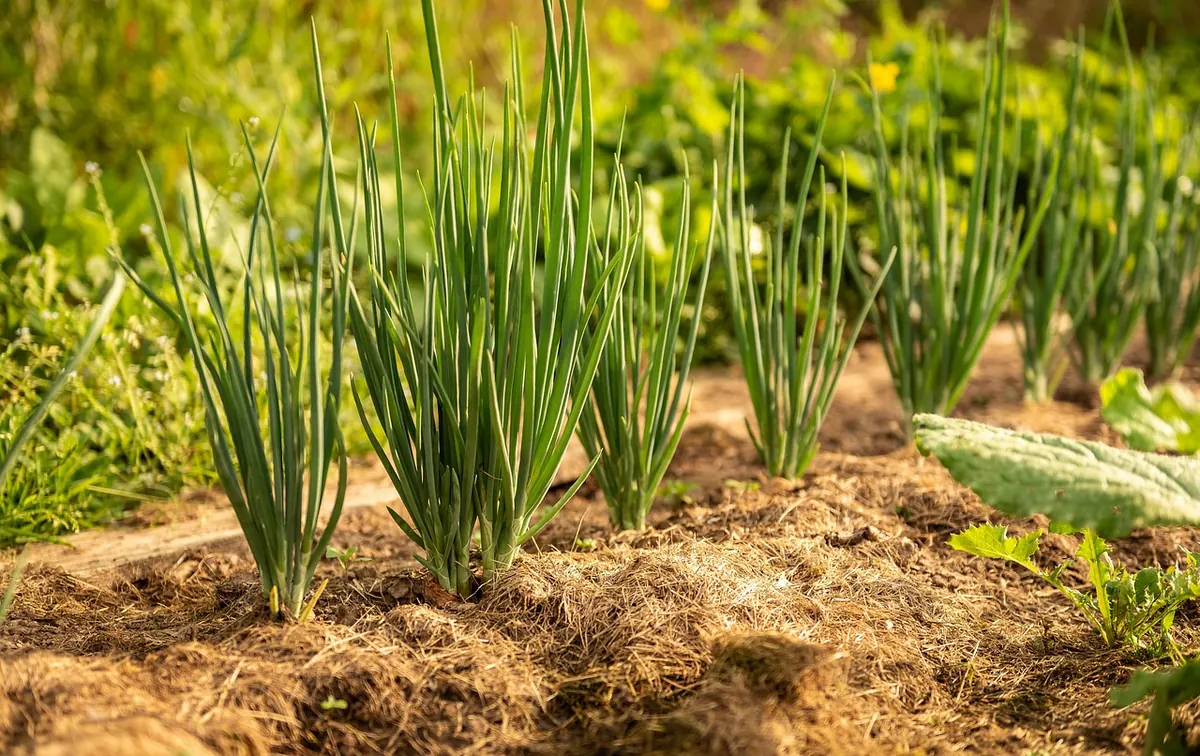
Never fill a balcony pot with garden soil. It compacts, drains badly in containers, and arrives with weed seeds and grubs. Finish with a 2cm mulch of gravel or slate chips, which slows evaporation and stops compost splashing onto leaves when you water.
Plant in Three Acts, Not One
Think of the year as overlapping casts. The trick is a permanent backbone: two or three evergreen or structural plants in the biggest pots — rosemary, bay, a clipped olive, a bronze carex — with seasonal companions arranged around them. You never have to start from bare soil.
Spring. Layer bulbs in autumn, with tall narcissi deepest, tulips above them and muscari or crocus near the surface. Over the top, plant wallflowers, bellis or violas to cover the bare compost while the bulbs push through.
Early summer. Pelargoniums, verbena, osteospermum, salvias and trailing rosemary take heat without sulking. Add sweet alyssum for scent at ankle height.
High summer. Cosmos, gaura, dahlias, bidens and scaevola keep going into September if you water and deadhead. Choose compact dahlias for pots; the tall ones flop.
Autumn. Sedums, asters, chrysanthemums, heuchera and ornamental grasses such as Stipa or a dwarf pennisetum take over as the annuals tire. Trailing ivy and a few winter pansies will carry the pots into the cold.
Change one or two pots at a time rather than the whole balcony in a weekend. Succession planting is easier on your back, and it looks better than a hard reset.
Watering Is the Whole Job
On a hot balcony, watering is not a chore you fit in around the design; it is the design decision everything else depends on. Check pots daily from May, twice a day in a heatwave, and test with a finger pushed 3cm into the compost rather than by eye.
Water in the morning where you can, so plants take it up before the afternoon bake, and water thoroughly until it runs from the base. Little and often leaves the lower roots dry. If you are out all day, a battery timer and a drip line on the tap pays for itself in one July.
For short absences, group pots so they shade each other, move the most vulnerable into shade, and mulch. Saucers work as a brief reservoir, but empty them after a day: standing water drowns roots and breeds mosquitoes.
Feeding, Trimming and the Second Half
Container plants are fed only by you. Slow-release granules cover spring; from June, add a liquid feed high in potash every week or two, which is what keeps flowers coming instead of leaves.
Deadhead pelargoniums, cosmos, verbena and dahlias at least twice a week. In late July, cut tired annuals back by a third and feed them; many will flush again by September. Turn pots a quarter turn each week so plants do not lean permanently into the light.
Watch for the classic sunny-balcony pests: aphids on new growth, red spider mite in hot dry air, vine weevil in long-standing pots. A firm jet of water deals with most aphids, and keeping plants well watered makes them far less inviting to mites.
Your First Season, in Order
Start in autumn or early spring with the biggest containers, a loam-based compost for anything permanent, and the backbone plants in place. Add bulbs in October. Fill gaps with spring bedding in March, then swap to summer annuals once frost risk has passed. Set up the watering line before the first heatwave, not during it. In September, move in the grasses and chrysanthemums.
Do that and the balcony will not need rebuilding every year. It will simply change hands, season by season, while you sit in it.
Photo: congerdesign / Pixabay
Related Articles